Watercolor Australian Shepherd Dog: Art for Creative Projects
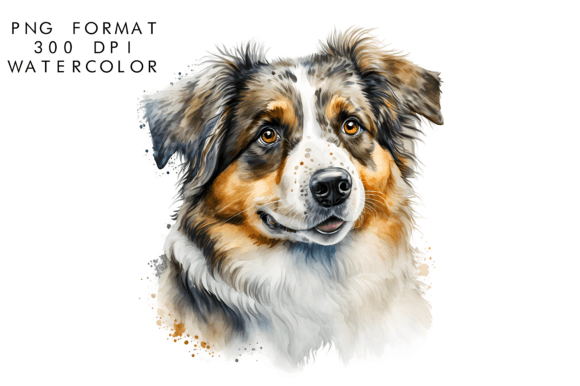
There’s something about an Australian Shepherd that captures attention immediately—those piercing eyes, that merle coat, the energy radiating from every brushstroke. When rendered in watercolor, this breed becomes more than a portrait. It transforms into a versatile design asset that speaks to dog lovers, pet owners, and anyone who appreciates artistry with warmth and character. The Watercolor Australian Shepherd Dog illustration brings that charm into a format you can actually use across dozens of projects.
Understanding the Visual Appeal
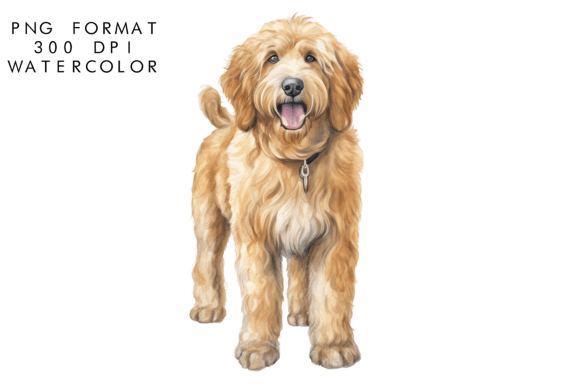
This isn’t a stiff, overly polished vector graphic. Watercolor art carries an organic quality—soft edges, gentle color bleeds, and that unmistakable hand-painted texture that digital tools struggle to replicate authentically. The Australian Shepherd’s distinctive coat patterns, typically rendered in blues, reds, and blacks with splashes of warm undertones, translate beautifully into this medium. The result feels personal and inviting rather than sterile or corporate.
What makes this particular illustration stand out is the balance between detail and artistic looseness. You can see the individual fur textures, the thoughtful expression in the dog’s eyes, and the subtle color variations that give the portrait depth. At 300 DPI resolution, every one of those details holds up whether you’re printing it large on a poster or shrinking it down for a sticker design. No watermarks clutter the composition, which means you get a clean, professional asset ready for immediate use.
Where This Design Truly Shines
The practical applications for a watercolor animal illustration like this stretch further than most people initially consider. Here’s where creators and business owners are finding real value:
- Print-on-demand products — T-shirts, mugs, tote bags, and phone cases benefit enormously from watercolor art. The organic style avoids the overly digital look that can make merchandise feel cheap or mass-produced.
- Stationery and invitations — Greeting cards, wedding invitations, and party decorations gain personality when paired with a hand-painted animal portrait. The soft aesthetic works especially well for pet-themed events or sympathy cards.
- Nursery and home decor — Framed prints featuring watercolor animals remain a popular choice for children’s rooms and living spaces. The gentle color palette and artistic style feel calming without being boring.
- Scrapbooking and junk journaling — Crafters appreciate high-resolution clipart that cuts cleanly and layers well with other design elements.
- Digital platforms — Website headers, blog post graphics, social media posts, and email marketing visuals all benefit from imagery that stops the scroll. A beautifully painted Australian Shepherd does exactly that.
- Brand collateral — Pet businesses, veterinary clinics, dog groomers, and pet supply brands can weave this illustration into their brand identity for a cohesive, approachable look across packaging design and marketing materials.
How Watercolor Art Influences Brand Perception
Choosing artwork for your brand or project isn’t just about aesthetics—it’s about communication. Watercolor illustrations signal warmth, authenticity, and craftsmanship. When a pet bakery uses watercolor dog art on their packaging, customers perceive the brand as thoughtful and artisanal. When a blogger features it in their header, readers sense a human touch behind the content.
This matters because visual consistency builds recognition. If your brand leans toward natural, handcrafted, or emotionally resonant messaging, watercolor clipart aligns with that story. It works alongside serif fonts for editorial layouts, pairs well with handwritten fonts for casual branding, and complements modern sans serif typography when you need contrast between the organic art and clean text.
The emotional response to animal art is well documented. People connect with images of dogs. Combine that connection with an artistic style that feels genuine rather than manufactured, and you have imagery that actually drives engagement—more clicks, more shares, more time spent on your page.
Working With This Asset Effectively
A few practical considerations will help you get the most from this design file:
- Resolution and sizing — At 300 DPI, this illustration handles print scaling well. For digital use at 72 DPI, you have significant flexibility to crop, resize, and reposition without losing quality.
- Background integration — Watercolor art typically works best against light or neutral backgrounds. Test placement on cream, white, soft gray, or pastel surfaces before committing to darker color schemes where the subtle tones might get lost.
- Typography pairing — Because the art style is organic and expressive, pairing it with overly geometric or ultra-modern typefaces can create visual tension. Script fonts, classic serifs, and friendly sans serif options tend to complement watercolor illustrations more naturally. Think about how the weight and spacing of your chosen typeface interact with the illustration’s visual weight.
- Color extraction — Pull accent colors directly from the illustration for your surrounding design elements. This creates cohesion between the art and your layout, whether you’re building a social media graphic or a product label.
- Layering techniques — In design software, experiment with blend modes and opacity adjustments. Watercolor textures respond beautifully to subtle transparency effects that let underlying colors or patterns show through.
Making It Your Own
The beauty of a digital download like this lies in its flexibility. You’re not locked into a single use case. The same Australian Shepherd illustration might appear on a pet shop’s loyalty card this month, a blogger’s Pinterest graphic next month, and a nursery print sold at a local craft fair the month after. Each application requires slightly different treatment—different crops, different typography, different surrounding elements—but the core artwork remains consistently charming and recognizable.
For entrepreneurs building a product line, this kind of versatility translates directly to value. One well-chosen design asset can anchor multiple product categories, reducing the time and cost associated with sourcing separate illustrations for every new item.
For designers and content creators, having reliable, high-quality watercolor clipart in your toolkit means faster turnaround on projects without sacrificing the handcrafted feel that clients and audiences respond to. It’s the kind of asset that earns its place in your design library not through flashy marketing promises, but through consistent, practical usefulness across real projects.